





Managing multiple vitamin and supplement bottles every single day can quickly become frustrating. Digging through several containers to grab your daily nutrients slows down your morning or evening routine. A pill box offers a tidy solution to group all your supplements together in one portable case. But is it always safe to transfer vitamins from their original bottles into a pill organizer?
The short answer is yes for short‑term use, yet not all supplements share the same storage requirements. Some nutrients react poorly to moisture, heat or UV light, while other products must remain sealed inside their original factory packaging.
Before transferring any supplement out of its container, you need to evaluate three key points: what kind of vitamin or supplement you are handling, the official storage instructions printed on the product label, and how long you plan to store these items inside the pill box. This article breaks down which supplements work well in pill organizers, which ones need extra care, realistic storage timeframes, and practical tips for safe everyday use.
Core Ground Rules for Storing Supplements in a Pill Box
Pill organizers perform best as a short‑term organizational tool, rather than a permanent replacement for factory‑sealed bottles. Storing vitamins inside a pill box works well when these conditions are met:
- The supplement is labelled for room‑temperature storage
- No mandatory requirement to keep the product in its original packaging
- You prepare daily or weekly portions only
- The pill box stays placed in cool, dry indoor conditions
- Every compartment latches shut tightly to block humidity and air exposure
Extra caution is required for supplements sensitive to light, moisture or high heat, as well as items supplied in sealed blister packs. As a general principle: use pill boxes to organise short‑term doses; keep your bulk stock in the original manufacturer packaging.
3 Essential Checks Before Transferring Vitamins
Take a moment to go through these three checks before filling your pill box with supplements.
1. Read the official product label
Always refer first to instructions printed on your supplement bottle. Common special‑storage warnings include:
- Store in a cool, dry location
- Keep away from moisture
- Avoid direct sunlight
- Requires refrigeration
- Must remain stored inside original container
Respect these label requirements before moving contents into a pill organizer. If special handling is specified, keep the supplement inside its original packaging.
2. Understand your supplement format
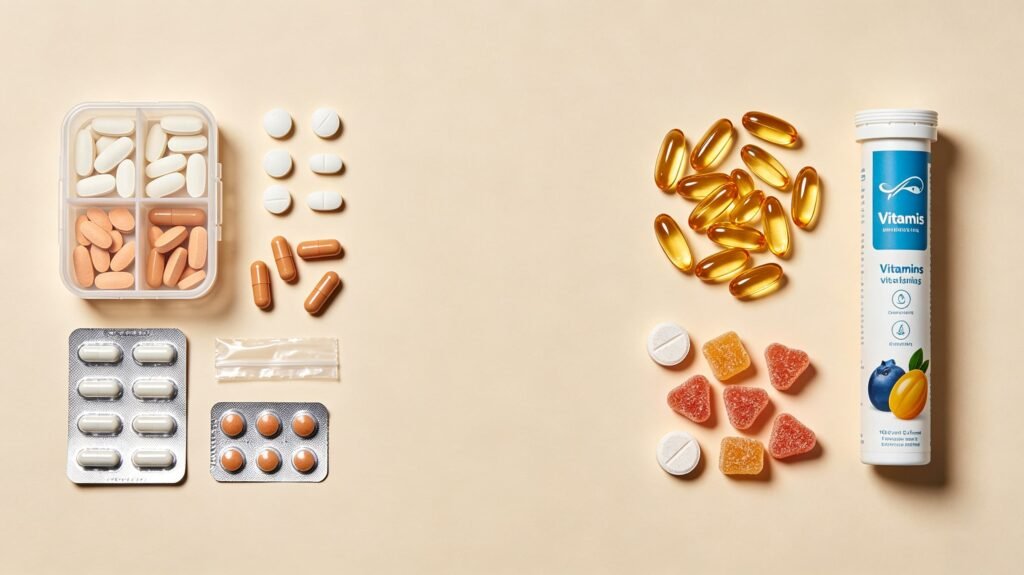
Different supplement forms respond differently to ambient conditions:
- Hard tablets: generally stable and forgiving
- Hard capsules: vulnerable to high humidity
- Softgel oil‑based capsules: risk softening or leaking under heat
- Gummy vitamins: prone to sticking and melting in warm surroundings
- Effervescent tablets: extremely sensitive to moisture
The physical format largely determines whether a pill box is a suitable storage choice.
3. Know how long supplements will sit inside the pill box
There is a major difference between packing one day’s supplements for work, and sealing months‑worth of nutrients inside a plastic organizer.
Pill boxes are designed for: daily use, weekly pre‑planning, office days, gym visits and short‑term travel. For long‑term stockpiling, original factory bottles deliver far superior protection against environmental damage.
Which Supplements Work Well in Pill Boxes, and Which Need Extra Care
Tablets
Hard tablets rank among the most straightforward supplements for pill‑box storage. Multivitamin tablets, vitamin‑C tablets, calcium and magnesium tablets all fall into this category.
When kept in a clean, dry pill box and stored away from heat and damp air, tablets perform reliably for weekly pre‑portioning.
Hard capsules
Most vitamin capsules can be transferred into organizers. Compared with solid tablets, capsules are more susceptible to humidity damage. Never leave your pill box in bathrooms, damp handbags or consistently humid spaces.
Softgel capsules (oil‑based supplements)
Vitamin‑D softgels, omega‑3 fish‑oil and other oil‑filled softgels can go into pill boxes, but demand careful handling. Elevated temperatures soften softgel shells; damaged capsules may leak oily contents.
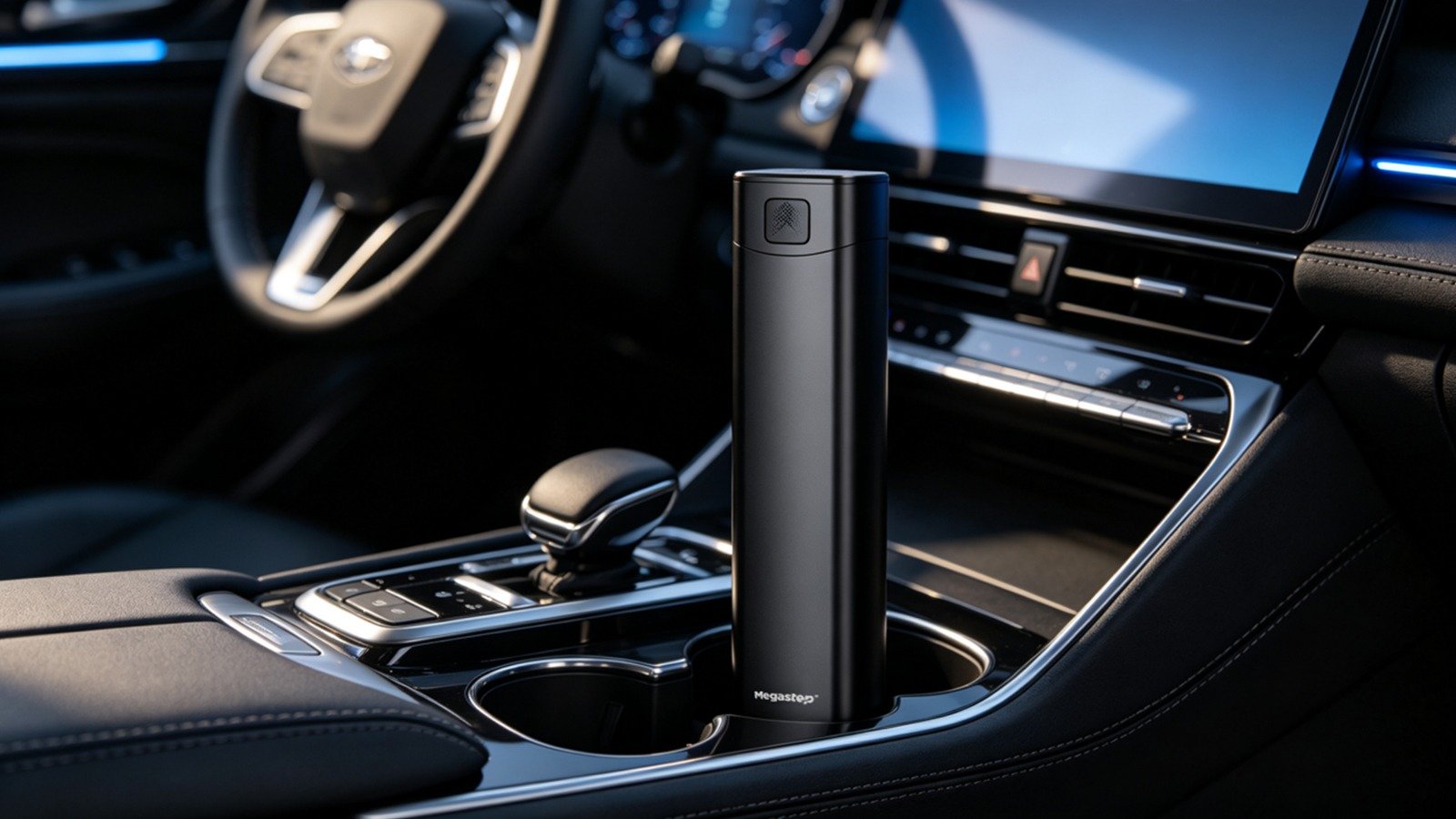
Avoid leaving pill boxes holding softgels inside hot vehicles, beside sun‑facing windows or under direct sunlight.
Gummy vitamins
Gummy supplements fit inside pill boxes, yet they behave unlike standard tablets. High temperatures make gummies sticky, deformed or melted, and they can leave sticky residue coating compartment walls. If you store gummies in a pill organizer, strictly avoid warm environments and ensure the case is fully clean before loading.
Effervescent tablets
Effervescent formulations are highly moisture‑sensitive. Transferring them out of protective packaging ahead of consumption carries risks. Always follow manufacturer guidance before placing effervescent tablets into any pill organizer.
Blister‑packed supplements
Many vitamins arrive within individual blister seals. This packaging shields contents from moisture, oxygen and light. Unless product documentation explicitly permits repackaging, keep blister‑unit supplements in their original blister sheets.

When You Should Keep Vitamins in Original Bottles
While pill boxes bring great convenience, original containers deliver critical protective functions. Retain supplements in factory packaging if any of these apply:
- The label explicitly requires original‑container storage
- The supplement is highly sensitive to moisture
- Refrigeration is mandatory
- Products come in protective blister packaging
- You intend long‑term storage of large quantities
- You need easy access to expiry dates, dosage directions and ingredient information
Even when you pre‑fill a weekly pill box, hold onto original bottles for reference and bulk storage.
Realistic Storage Timeframes Inside a Pill Box
There is no universal shelf‑life once supplements are repackaged; outcomes depend on formulation and surrounding conditions.
Daily use: Repacking one day’s supply works perfectly for commuting, work, study, gym sessions or day trips.
Weekly pre‑filling: Stable tablets and hard capsules can be pre‑loaded for one week, provided the pill box sits in cool, dry, shaded conditions. Always cross‑reference individual supplement instructions.
Long‑term storage: Pill boxes are not built for multi‑week or months‑long storage. Humidity, heat, sunlight and constant air exposure gradually degrade repackaged nutrients. Best practice: keep main stock in original bottles; use pill boxes only for short‑term portions.
Can Different Vitamins Go Into the Same Compartment?
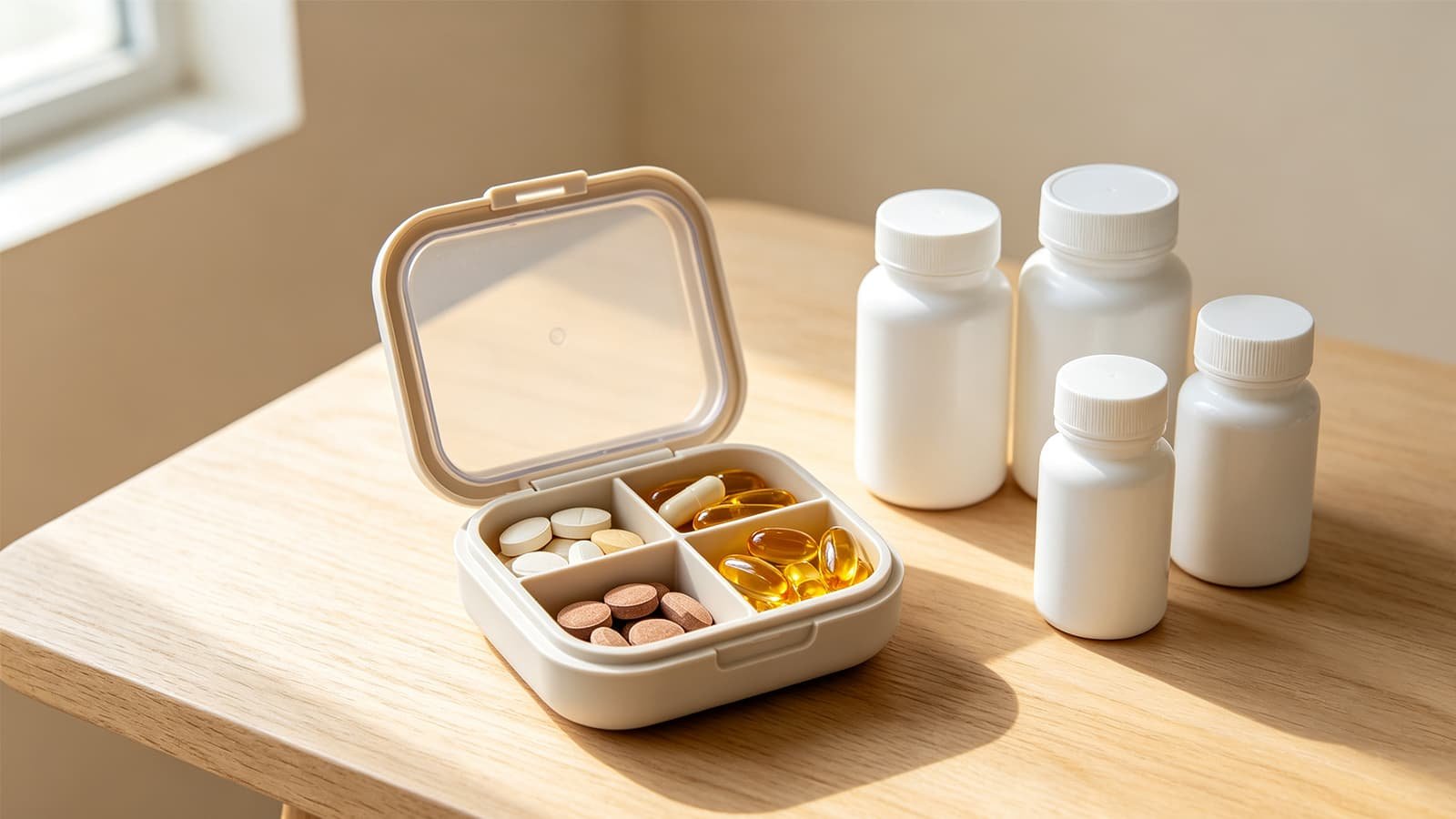
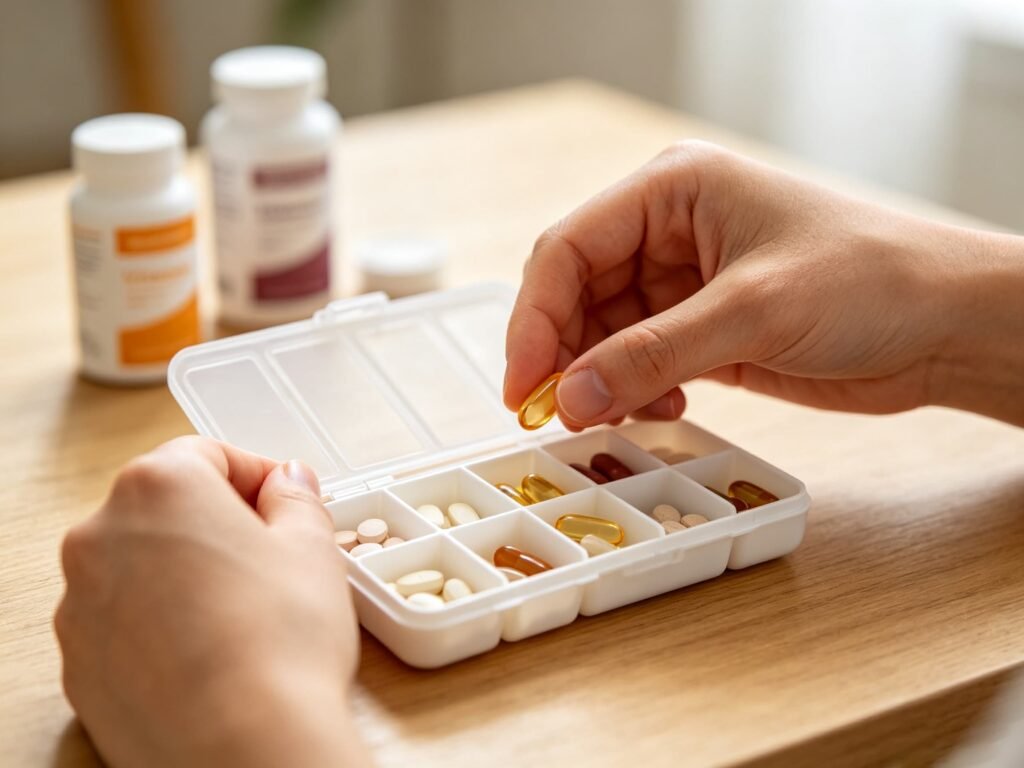
You may store multiple supplement types within the same pill box, as long as you place different products into separate divided compartments. Group supplements by weekday, or split morning‑dose and evening‑dose items.
Avoid mixing multiple varieties inside one single compartment. Gummies, oil‑bearing softgels, strongly‑scented supplements and powder‑shedding tablets are especially likely to create cross‑contamination, residue or unwanted chemical interaction. Separate divided compartments keep supplements intact and organised.
Best Practices for Vitamin Storage Inside Pill Boxes
Once loaded, proper placement of your pill box prevents supplement degradation.
- Stay cool: Keep away from hot cars, heating appliances and sun‑hit window sills.
- Stay dry: Do not store pill boxes inside bathrooms or other high‑humidity locations.
- Avoid direct sunlight: UV rays accelerate degradation for many vitamins. Choose shaded storage spots.
- Firmly close every compartment: Secure lids prevent spills, cross‑mixing, and excess exposure to ambient air and moisture.
Step‑by‑Step Checklist for Filling Your Pill Box with Vitamins
Follow this workflow each time you refill your pill organizer:
- Read product labels for dosage guidance and storage restrictions.
- Confirm all supplements have not passed their printed expiry date.
- Make sure your pill box is fully clean and 100 % dry, especially after washing. Never add supplements into damp compartments.
- Sort supplements by day‑of‑week or by time‑of‑day (morning / afternoon / evening), matching your personal routine.
- Do not over‑stuff compartments. Over‑filling can crush tablets and softgels and stop lids from closing properly.
- Isolate sticky, oily or strong‑odour supplements in dedicated compartments.
- Store the finished pill box in a cool, dry place shielded from direct sunlight.
Pill‑Box Cleaning Routine
Clean your pill box every time before you refill it: empty compartments, wipe away powder and residue, wash according to the manufacturer’s care instructions, and let it dry completely before adding new supplements. Regular cleaning reduces cross‑contamination risk.
Key Benefits of Using Pill Boxes for Vitamins
Pill organizers are not reserved solely for prescription medicine. They deliver tangible advantages for supplement users:
- Better organisation: No need to open multiple bottles every day. Prepare doses ahead of time.
- Build consistent habits: Pre‑sorted vitamins help users remember their daily supplement routine.
- Reduce clutter: Fewer bottles need to be carried for commutes or trips.
- Travel‑friendly: Compact pill boxes suit business travel, holidays, outdoor activities and daily commutes.
Features to Look for When Choosing a Pill Box for Vitamins
Not all pill organizers are suitable for vitamin and supplement use. When selecting a pill box for vitamins, evaluate these features:
- Spacious compartments: Vitamins and softgel capsules are often physically larger than standard prescription pills. Ensure internal dimensions accommodate bigger‑size supplements without squeezing contents.
- Reliable closure system: Well‑fitting lids stop spills inside bags and slow moisture ingress.
- Portable form factor: Compact size makes it easy to carry vitamins to work, gym or while travelling.
- Easy‑to‑clean construction: Smooth surfaces simplify washing and complete drying between refills.
For end‑users who regularly carry vitamins outside their home, a compact, well‑sealed multi‑compartment pill box brings great convenience. When sourcing wholesale pill boxes for supplement consumers, prioritize models with robust sealing, reasonably‑sized divided spaces and durable food‑grade plastic construction. These features match real‑world needs of vitamin‑taking customers.
Note: No pill box can fully replace original manufacturer‑level packaging. Always respect supplement‑label storage directions.
Common Mistakes to Avoid
Even with a quality pill box, watch out for these frequent errors:
- Leaving pill boxes parked inside over‑heated vehicles
- Storing organizers in humid bathrooms
- Repackaging moisture‑sensitive supplements long before consumption
- Ignoring official storage instructions printed on supplement labels
- Attempting long‑term bulk storage inside pill boxes
- Refilling a pill box that has not fully dried after washing
Frequently Asked Questions
Can all vitamins go into a pill box?
Many vitamins can be organised inside pill boxes for short‑term use. Always check product labels first. Supplements requiring special environmental conditions should remain in their original packaging.
Will vitamins lose potency in a pill box?
Heat, moisture, light exposure and extended storage outside factory packaging can reduce supplement stability. Always follow each product’s unique storage guidance.
Are gummy vitamins okay inside pill organizers?
Yes, but gummies turn sticky or melt under warm conditions. Keep them cool and avoid high‑temperature environments.
How long can vitamins stay inside a pill box?
There is no universal answer. Daily or weekly pre‑portioning works best. Long‑term storage inside pill boxes is not recommended.
Can I mix multiple supplement types within one compartment?
Stable supplements can share the same pill‑box case, but separate compartments are strongly advised to prevent cross‑contamination and physical damage.
Can fish‑oil softgels go in pill boxes?
Softgel oil supplements need extra care. Heat may alter them, and physical damage can cause oil leakage. Refer back to product‑label recommendations.
Should vitamins stay in original bottles?
Original bottles offer superior long‑term protection and preserve access to expiry dates, dosage directions and storage information.
Is it okay travelling with vitamins inside a pill box?
Compact pill organizers are excellent for short trips and daily travel. Keep them protected from excessive heat, humidity and direct sunlight.
Final Pre‑Use Checklist
Before transferring vitamins into your pill box run through these points: ✅ Does the supplement label permit room‑temperature storage? ✅ Is there a requirement to keep contents in original packaging? ✅ Is the supplement highly sensitive to moisture, heat or light? ✅ Will you consume these repackaged portions within a short timeframe? ✅ Is your pill box clean and completely dry? ✅ Can every compartment close securely?
If you can tick most of these boxes, a pill box becomes a practical tool for organising your daily vitamin routine.

Conclusion
Most vitamins and supplements can safely be transferred into a pill box for short‑term daily or weekly organisation. Hard tablets and hard capsules adapt well to pill‑box storage. Gummies, oil‑based softgels, effervescent tablets and blister‑sealed supplements call for heightened awareness of storage limits.
The most important step is checking manufacturer guidance and protecting repackaged supplements against heat, moisture and sunlight. Clean, dry, tightly‑closing pill boxes simplify supplement routines for end‑users.
If you are looking for durable wholesale pill‑box solutions for supplement users, browse our product portfolio for portable, well‑sealed pill organizers built for on‑the‑go daily nutrient management.