





For years, the pill box aisle served one kind of shopper: someone already managing a long list of medicines, often older, replacing a worn-out organizer with another one. Oral GLP-1 tablets are bringing in a different person — someone who has never owned a pill box and has just started carrying a tablet every day. If you buy for a supplement brand, a pharmacy chain or a subscription box, that is a shelf decision, not a colorway decision. Here is what the public evidence actually supports, where retailers have already put companion products, and the claims you should keep off the packaging. This article is about retail planning, not about how anyone should take a medicine.
Who the new first-time buyer actually is
The format changed first. Orforglipron, an oral non-peptide GLP-1 medicine, was approved by the FDA on April 1, 2026; Chinese reporting at the time noted it needs no refrigeration and allows flexible dosing time, because the small-molecule format removes the food and water restrictions that peptide oral versions carry (Xinhua, April 3, 2026). In October, the European Medicines Agency’s CHMP recommended marketing authorisation for Foundayo as a tablet taken once daily, at any time of day, with or without food (EMA, October 16, 2026). On November 12, China’s regulator approved an oral GLP-1 weight-management medicine for the first time, having previously approved GLP-1 medicines for weight management only in injectable form (Reuters, November 12, 2026). Chinese clinical reporting describes it as one tablet a day, taken at any time, without food or water restrictions (China Science Daily, November 12, 2026).
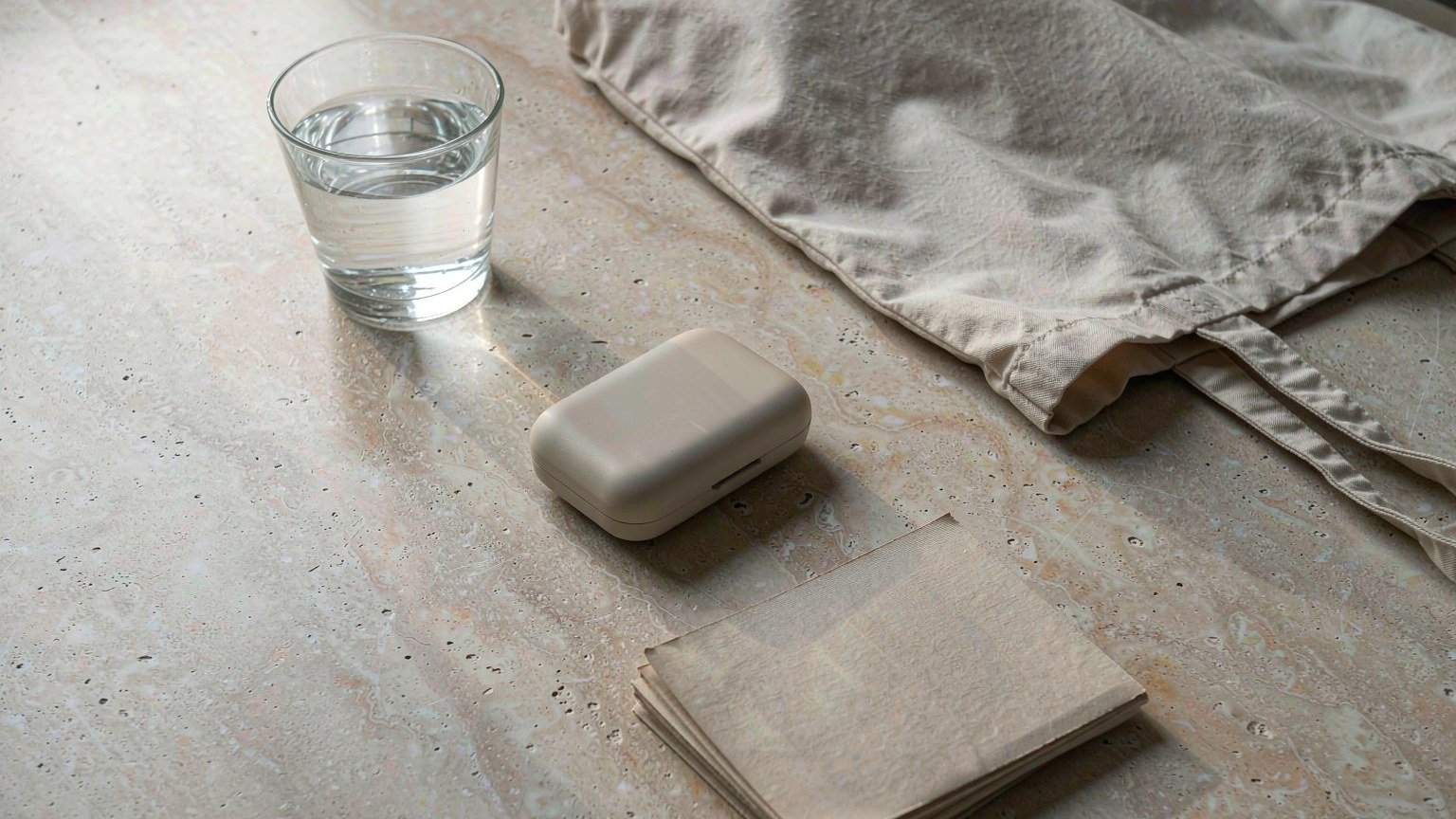
For a buyer, the important line is the one Reuters quoted: before this approval, Chinese regulators had approved GLP-1 medicines for weight management only in injectable form. An injection lives in a fridge or a pen case. It never needed a pocket-sized compartment. A tablet that travels with the person does. That is the whole reason a new storage object enters the picture — not a new medical claim, just a new thing to carry.
Be careful with the size of this group. No one has published a count of first-time pill box buyers. The evidence is indirect. Circana’s November 2026 survey found 37% of U.S. households say someone in the household has used a GLP-1 medicine, up from 17% in 2024, with 30% reporting a current user and 26% of experienced households reporting two or more users (Drug Store News / Circana, November 12, 2026). Reuters reported that oral therapies now account for about a third of U.S. obesity prescriptions — but that figure comes from Novo Nordisk’s own September data, not an official statistic, and it says nothing about how many people will buy a storage product (Reuters, November 12, 2026).
The distinction that matters for your range is simple. A replacement buyer already knows the category: they compare compartment counts, lid stiffness, large print, and price. A first-time buyer has none of that. They are not shopping for “a better weekly organizer”; they are trying to work out how to carry one tablet without carrying something that looks like a medical device. Those are two different products, and most existing ranges were built for the first shopper. For the person actually taking the medicine, we wrote a separate guide on organising supplements alongside a GLP-1 prescription (Megastep — Your GLP-1 Changed What You Eat. It Also Changed What You Take.).
What they spend on tells you where the shelf goes
Circana’s report is useful because it answers a question buyers actually have: is this a discount shopper or not? Among households with a current GLP-1 user, 43% bought clothing or footwear because of GLP-1 use in the previous three months, 24% bought a health device or wearable, and 21% bought medication to address side effects (Drug Store News / Circana, November 12, 2026). Circana’s wearable and health technology spending index sat 4.9 points above the pre-treatment baseline in year one and 15.2 points above it in year two; the apparel index moved from 2.9 to 6.4 points over the same two years.
Two cautions before you put those numbers in a deck. They are index points relative to each household’s own pre-treatment baseline, not percentage increases in spending, and they measure U.S. household spending across whole categories — they are not a measurement of pill box sales. Circana also projects that GLP-1 households could account for 40% of U.S. food and beverage units and 41% of non-food units by 2030, but that is a projection built on the assumption that 35–40% of households will have an active user by then, not a measured result. Use it to read direction, not to size an order.
The finding that matters is the direction. Sally Lyons Wyatt, Circana’s global chief advisor, put it plainly: “The biggest misconception about GLP-1 consumers is that they will always buy less… What we’re seeing is a consumer reset.” The same survey found 48% of previous-user households say they are at least somewhat likely to restart within a year (Drug Store News / Circana, November 12, 2026). Spending on things that help manage a changed routine gets stronger in year two, not weaker. A companion object belongs in that basket — but it belongs on the everyday-management shelf, not the medical-equipment shelf. If you already run a subscription box, we have covered the retention arithmetic for adding a kept object separately (Megastep — Why Supplement Brands Are Putting a Premium Pill Box in Every Subscription Box).
Retailers have already started building this shelf
This is the part that turns a trend into a buying decision. In June 2026, CVS Health rolled out a GLP-1 support programme across more than 9,000 CVS Pharmacy locations and MinuteClinic, combining pharmacist support, a $49 virtual visit, and an expanded over-the-counter range. The detail worth reading twice: in select stores, dedicated product displays bring together items for nausea and gastrointestinal discomfort, hydration, protein intake and nutrition, sponsored by Haleon (Drug Store News, June 22, 2026). The retailer has physically built a place for “the things around the prescription”.
Walmart has been moving in the same direction. In a July 31, 2026 interview — resurfaced on the trade press homepage in November, not a new November announcement — Kevin Host, senior vice president of pharmacy, discussed obesity and weight-management services on the Better Care Services platform, a redesigned GLP-1 digital destination, and the clinical role of pharmacists (Drug Store News, July 31, 2026). Two of the largest U.S. pharmacy retailers have now defined “the person on this therapy” as a customer group worth serving with pharmacist guidance plus a set of adjacent products.
One honest gap: those CVS displays currently hold side-effect, hydration and nutrition products. There is no published evidence that a pill box has been given a place on them. That is an opening, not a proven slot. The right read is that the shelf is being built for this shopper and the selection is still being filled — which is exactly when a buyer can propose a companion SKU, and exactly why it needs a small test rather than a full commitment.
What a companion product can — and cannot — say
This is where companion products most often go wrong, and it is cheap to get right. The FTC’s Health Products Compliance Guidance states that advertising must be truthful and not misleading, and that advertisers need adequate substantiation for all objective product claims conveyed, expressly or by implication. Health-benefit claims generally require “competent and reliable scientific evidence”, usually randomised controlled human testing. The guidance also says a disclaimer does not cure an otherwise deceptive ad, and that an implied disease benefit must be substantiated even when no disease is named (FTC — Health Products Compliance Guidance).
The second trap is the phrase “FDA approved”. FDA’s own consumer guidance says the agency does not approve dietary supplements, does not approve food products, does not approve individual labels, and does not approve manufacturing facilities independently; registration or listing does not denote approval, and the FDA logo must not be used to suggest the agency endorses a private product (FDA — Is It Really ‘FDA Approved’?). A storage box is not a medicine and should never borrow a medicine’s approval language. What you can state is the material and the compliance behind it — for example, food-contact documentation for the parts that touch tablets — described as material compliance, not as product approval.
There is a third, less obvious boundary. In an October 2026 industry review, Kerry’s Becca Stark noted that the European Food Safety Authority has not approved any nutrition or health claims in relation to GLP-1 use, and Tate & Lyle’s Dr Clare Leonard warned that “GLP-1 friendly” carries no agreed meaning and that the food industry “should be especially careful not to imply that food ingredients reproduce the effects of GLP-1 medication”. The same review reported that many consumers do not wish to be identified by their use of GLP-1 medicines and prefer products positioned around broader health and wellness goals (Nutrition Insight, October 22, 2026).
So the short list for your packaging and listing copy: do not put a prescription brand or a drug name on the box; do not name the whole SKU “for GLP-1 users”; do not claim or imply weight loss, better adherence, or any treatment outcome; do not write “FDA approved”; do not give dosing or storage instructions for a medicine; and do not call a closure child-resistant unless you hold the test report. Say what the object is made of, how it opens, how it cleans, and what it holds. That is a complete and defensible description. A latch is not a certification, and a nice-looking box is not a health claim.
The questions worth putting to your own buyer before you commit
None of the data above tells you whether these shoppers are in your store. Three questions will, and none of them require a market report:
- Has anyone asked for a box that does not look like a pill box? Check customer service logs and store staff. A request for something discreet, pocketable, or “not medical-looking” is a first-time-buyer signal. A request for more compartments is a replacement-buyer signal.
- Do supplements and health devices sell together in your basket data? Circana’s 24% and the year-two index describe a household that buys tools for a changed routine. Your own basket data will tell you whether that household shops with you.
- Which shelf would this SKU actually sit on? Pharmacy counter, supplement aisle, or everyday carry and home goods? The answer decides the packaging, the photography, and the price you can defend — not the other way round.
If the answers are thin, put one existing SKU in front of a small group before you commit a category slot. Watch whether anyone asks the price, whether anyone asks for engraving or a second colour, and whether anyone would pay more for a gift-ready version. Those are cheap signals. We would rather you learn the answer from a small run than from a new tool. And if nobody asks, the honest conclusion is that this shopper is not in your store yet — which is a useful answer too.
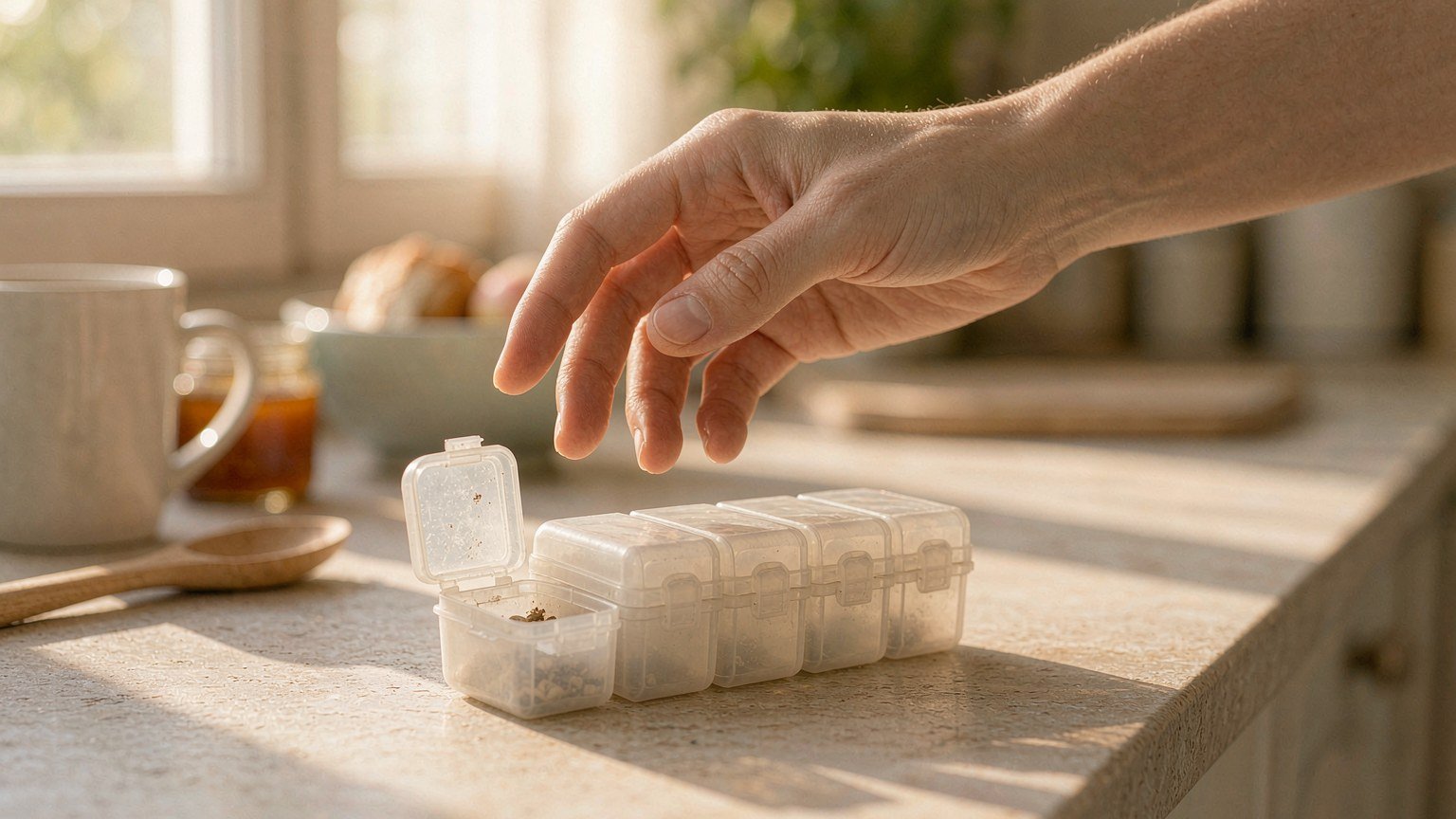
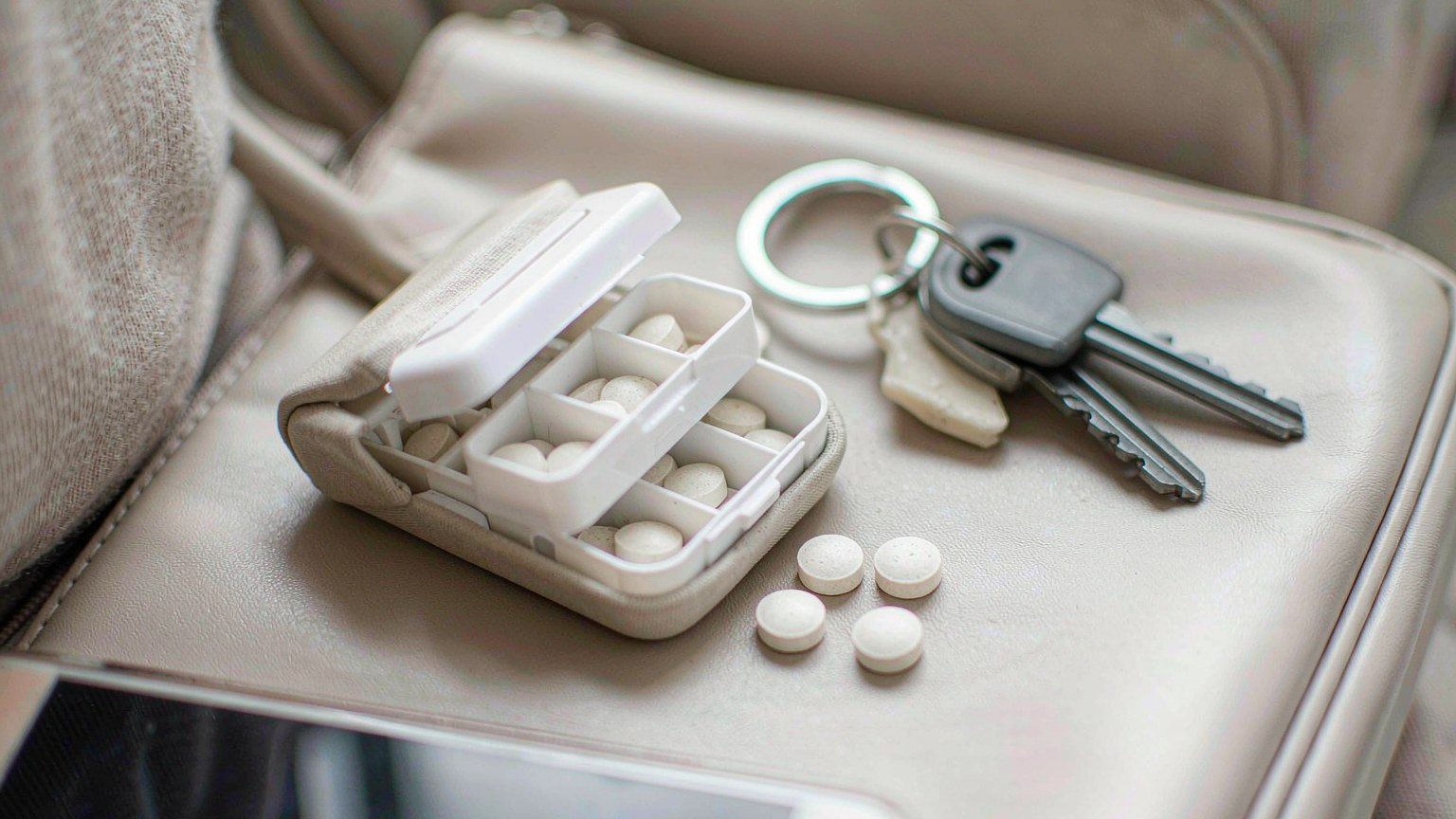
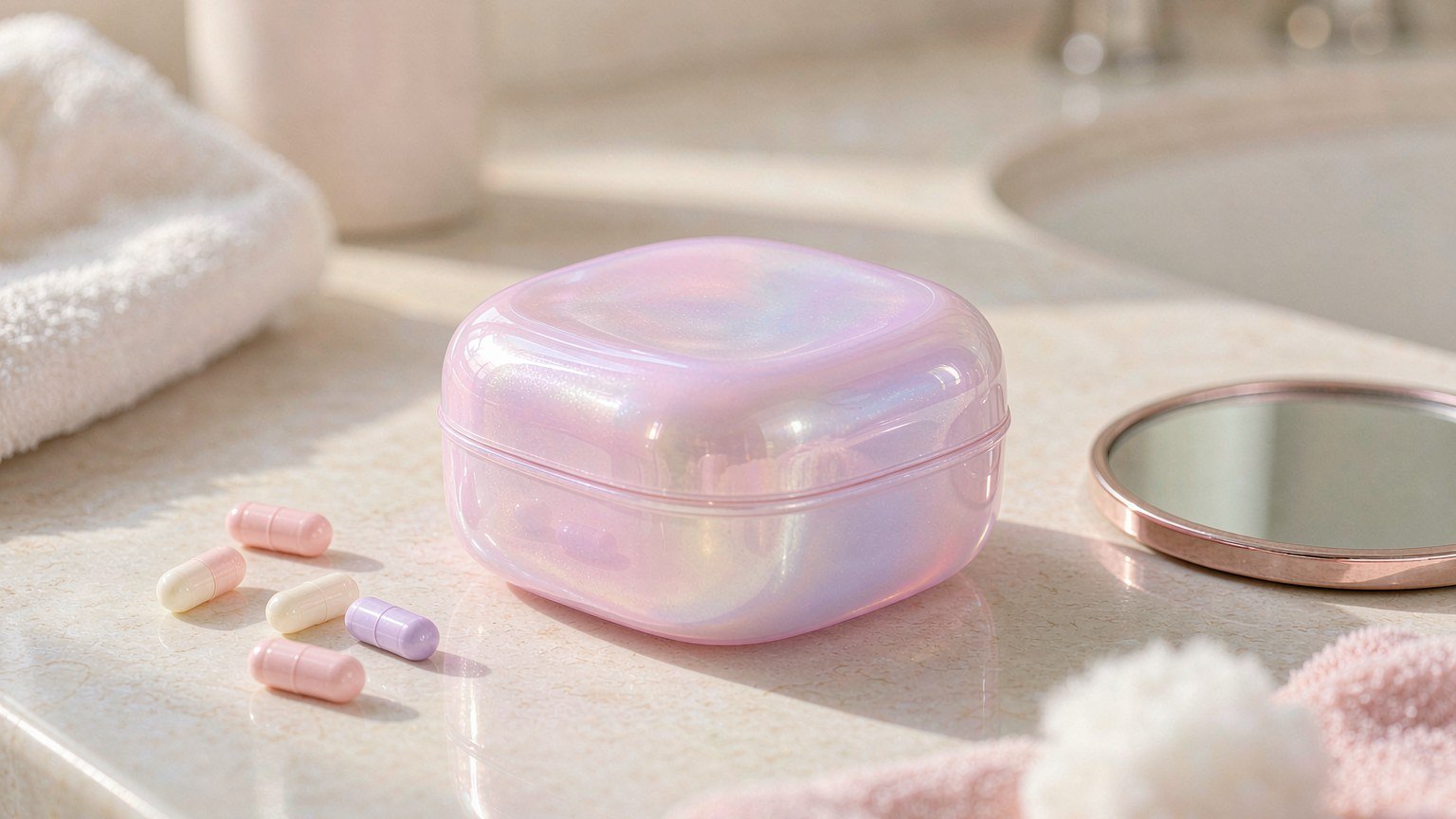
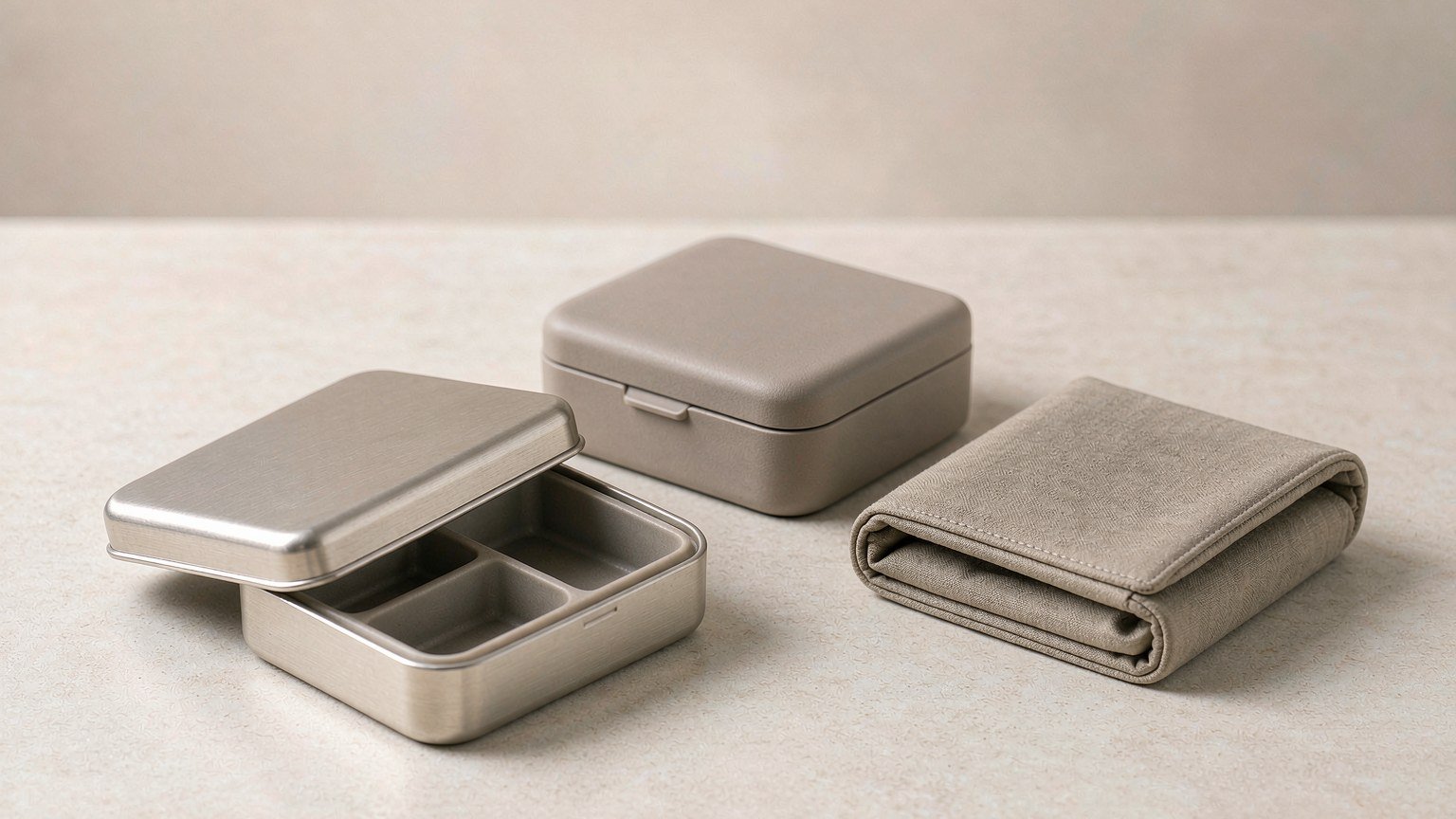
If you decide the shelf is worth a test, Megastep supplies three in-production organizers suitable for OEM and ODM programmes: the 当社のアルミ引出し式オーガナイザーは、拭き取りやすい面と閉まったままのフタを中心に設計され、静音ポータブルピルケースはポケットサイズのケースで同じシンプルな内側を提供する。, the silent portable pill box BS1564J, and the folding suitcase pill box BS1568J. We can supply white-background images for listings, lifestyle and short-form vertical footage for social, plus material and cleaning documentation for the claims you are allowed to make. No unreleased product is being offered here. Tell us which shelf you are planning for and we will send samples and the relevant documentation.
This article is for retail category and sourcing planning, not medical, dosing or regulatory advice. It does not recommend any medicine and makes no claim that a storage product affects health outcomes, adherence or weight. Medicines should be stored and taken as labelled and as directed by a prescriber or pharmacist. Review all packaging, listing and advertising claims with qualified regulatory counsel for each market before launch.
出典
- Xinhua — 礼来口服GLP-1药物在美获批(2026-04-03):FDA 4 月 1 日批准、无需冷藏、给药时间灵活、突破进食饮水限制
- European Medicines Agency — New oral GLP-1 medicine for weight management and type 2 diabetes (16 October 2026): once-daily tablet, any time of day, with or without food
- Reuters (via Fort Worth Star-Telegram) — Eli Lilly becomes first drugmaker to have a GLP-1 weight-loss pill approved in China (12 November 2026): injectable-only before, oral share of US obesity prescriptions per Novo Nordisk September data
- 中国科学报 / 科学网 — GLP-1减重进入口服时代(2026-11-12):每天一片、一天中任意时间、不受饮食饮水限制
- Drug Store News — GLP-1 consumers resetting spending habits, not just reducing them, Circana research finds (12 November 2026): 37%/17%, 30%, 43%/24%/21%, 4.9→15.2 index points, 48%, 2030 projection, “consumer reset” quote
- Drug Store News — CVS Pharmacy expands GLP-1 support (22 June 2026): 9,000+ locations, $49 virtual visit, pharmacist support, dedicated in-store product displays sponsored by Haleon
- Drug Store News — Video: Walmart’s Kevin Host on obesity, weight management support (31 July 2026): Better Care Services, redesigned GLP-1 digital destination, pharmacists’ clinical role
- Federal Trade Commission — Health Products Compliance Guidance: truthful and not misleading, substantiation for express and implied claims, competent and reliable scientific evidence, disclaimers do not cure deception
- U.S. FDA — Is It Really ‘FDA Approved’? FDA does not approve dietary supplements, food products, individual labels or manufacturing facilities independently; logo must not suggest endorsement
- Nutrition Insight — Protein, fiber & taste drive next wave of GLP-1 companion nutrition (22 October 2026): EFSA has approved no GLP-1-related claims, “GLP-1 friendly” undefined, consumers avoid being identified by GLP-1 use