





You’ve found a factory that quotes you a great price on pill boxes, says it does custom OEM, and sends a tidy folder of certificates. Before you send a deposit, stop. A clean sales deck proves almost nothing about whether this factory can deliver what it promises — on time, to spec, without taking your design or your money hostage.
Here’s the honest part, up front: we are a pill box factory too. So don’t take our word for anything in this guide. The whole point of this article is to give you a checklist you can run yourself — so you never have to trust a supplier’s self-description, including ours. If a factory is legit, it will pass these checks easily. If it isn’t, this checklist will catch it before your money is at risk
Verify the certificates yourself, on the issuing body’s own database
A PDF with a logo is not proof of certification. Anyone can fake one. The reliable way is to check the number against the organization that issued it — not the factory’s website.
- ISO 9001 (quality) and ISO 13485 (medical devices): look up the certificate number or company name on IAF CertSearch, the global database of accredited management-system certificates. It tells you whether a certificate is valid, suspended, or expired.
- BSCI (social audit): ask the factory for its amfori DBID, then check its rating and validity on the amfori platform. A factory that hesitates to share its ID usually doesn’t have one.
- FDA: if a pill box is registered as a medical device, you can look up the establishment registration in the FDA’s public database. One caution: FDA registration is not an approval — no legitimate supplier claims “FDA approved” for a pill box.
The detail most buyers miss: the company name and address on the certificate must exactly match the legal entity you’re contracting with and the plant producing your goods. If the certificate belongs to a headquarters or an unrelated affiliate, it doesn’t cover your order. A 30-second mismatch check here can save you a failed audit later.
Are you talking to a manufacturer — or a trader wearing a factory costume?
A surprisingly large share of suppliers who call themselves “OEM factories” are trading companies reselling another plant’s output. That’s not automatically a problem, but you should know who you’re dealing with, because a trader can’t control quality, lead times, or your tooling the way an owner can.
Three questions separate them fast:
- Who owns the mold/tooling? A real manufacturer will answer clearly and can often show you the tooling. A trader hesitates.
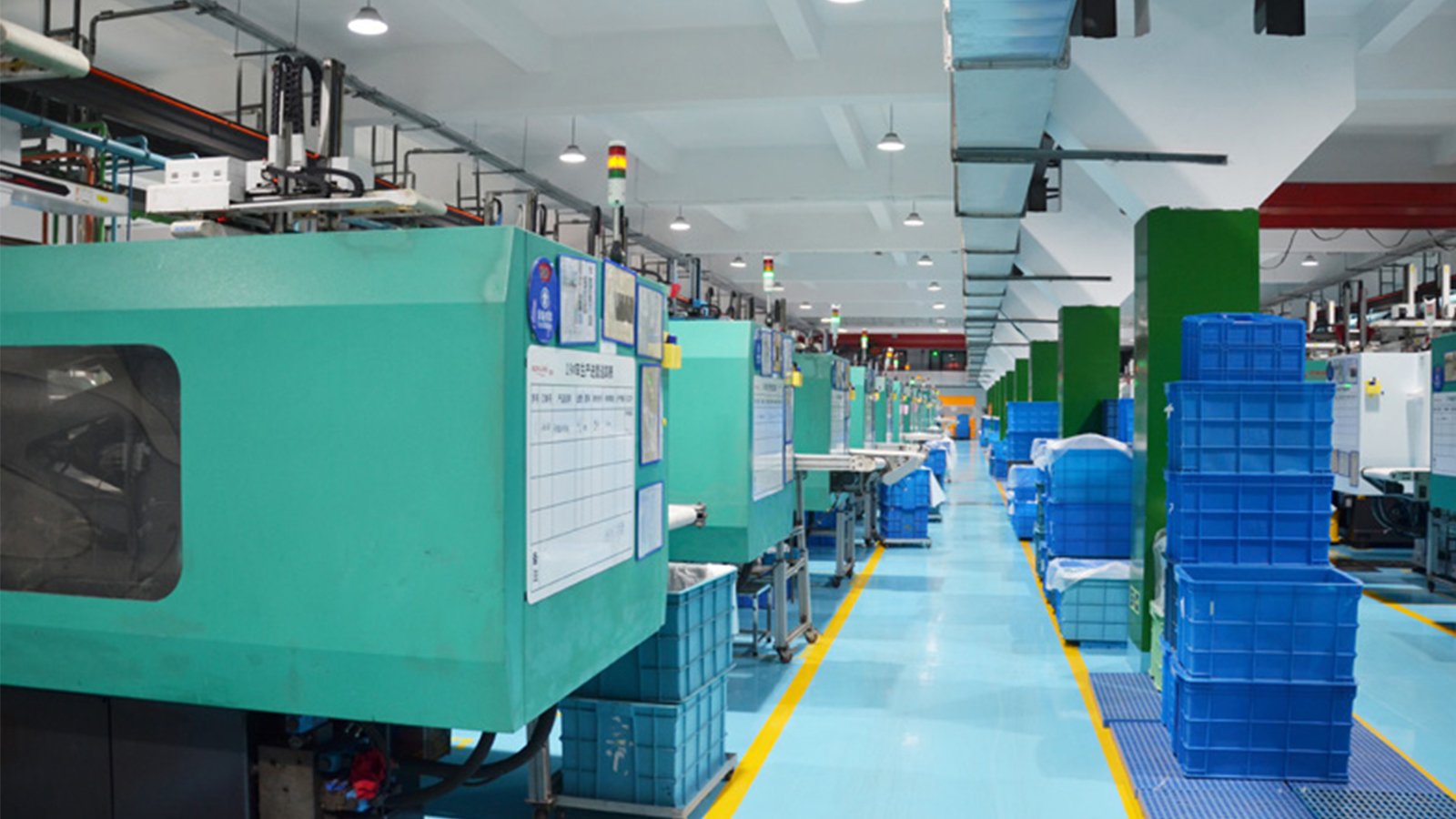
- Can you do a live video walkthrough of the production line while it’s running? Not a pre-recorded tour — live. A genuine plant can do this today; a reseller can’t.
- Can you speak directly to the production or QC manager? If every technical question routes back to a single salesperson, that’s a signal.
The sample tells you more than the price does
Any factory can hand-polish one hero sample. The real test is whether they control the gap between that sample and your mass production.
- Ask for a PP sample (pre-production sample made from the actual production tooling) — not just a prototype. Agree in writing that nothing ships until you’ve approved a signed sample.
- Smell the plastic. A strong chemical odor usually means recycled or off-spec resin. A food-contact-grade pill box should carry little to no smell at all.
- Test the closures and the print. Open and close the latch a few hundred times; rub the printed surface with a bit of alcohol. Cheap boxes fail these two tests in seconds.
If a factory resists giving you a PP sample from the real tooling, treat that as a major warning. It usually means the “factory” you’re talking to doesn’t control the production line.
Payment terms and inspection are a filter, not paperwork
How a factory wants to be paid and whether it welcomes inspection tells you more about its health than its brochure does.
- Standard terms in this industry run around 30% deposit and 70% against the bill of lading or after inspection. A demand for 100% upfront — with no plausible reason — is a red flag.
- Welcome third-party inspection. A legitimate factory will agree to a pre-shipment inspection by SGS, Bureau Veritas, Intertek, QIMA, or similar, using AQL 2.5 for major defects and 4.0 for minor ones. A factory that resists an inspector on site is hiding something.
- Start with a small trial order before a big one. Compare the batch against your signed sample. The first order is where you learn how a supplier operates.
Red flags that should end the conversation
No single flag means fraud, but any two of these together should make you walk away or demand hard evidence:
- Price more than 30% below the market average with no explanation — someone is cutting a corner you’ll pay for later.
- Refuses to sign a non-disclosure agreement when you share your design.
- Shows certificates with logos but no certificate numbers you can verify.
- The certificate address is a headquarters, not the plant that produces your goods.
- Won’t do a live video walkthrough or accept third-party inspection.
Now hold us to the same standard
Since we told you not to trust any supplier’s self-description, here’s the fair part: hold Megastep to this exact checklist. We’re a supplement and pill storage manufacturer with ISO 9001 and ISO 13485 certifications, an amfori BSCI social audit, and food-contact-grade materials — and we’d rather you verify that independently than take our word for it. Our FAQ covers our certifications, MOQs, and how we handle samples, tooling, and inspection, and our company story explains who we are and why we build what we do.
Do your checks. Ask the hard questions. If a factory passes, you’ve found a partner. If it doesn’t, you’ve just saved yourself an expensive lesson.