





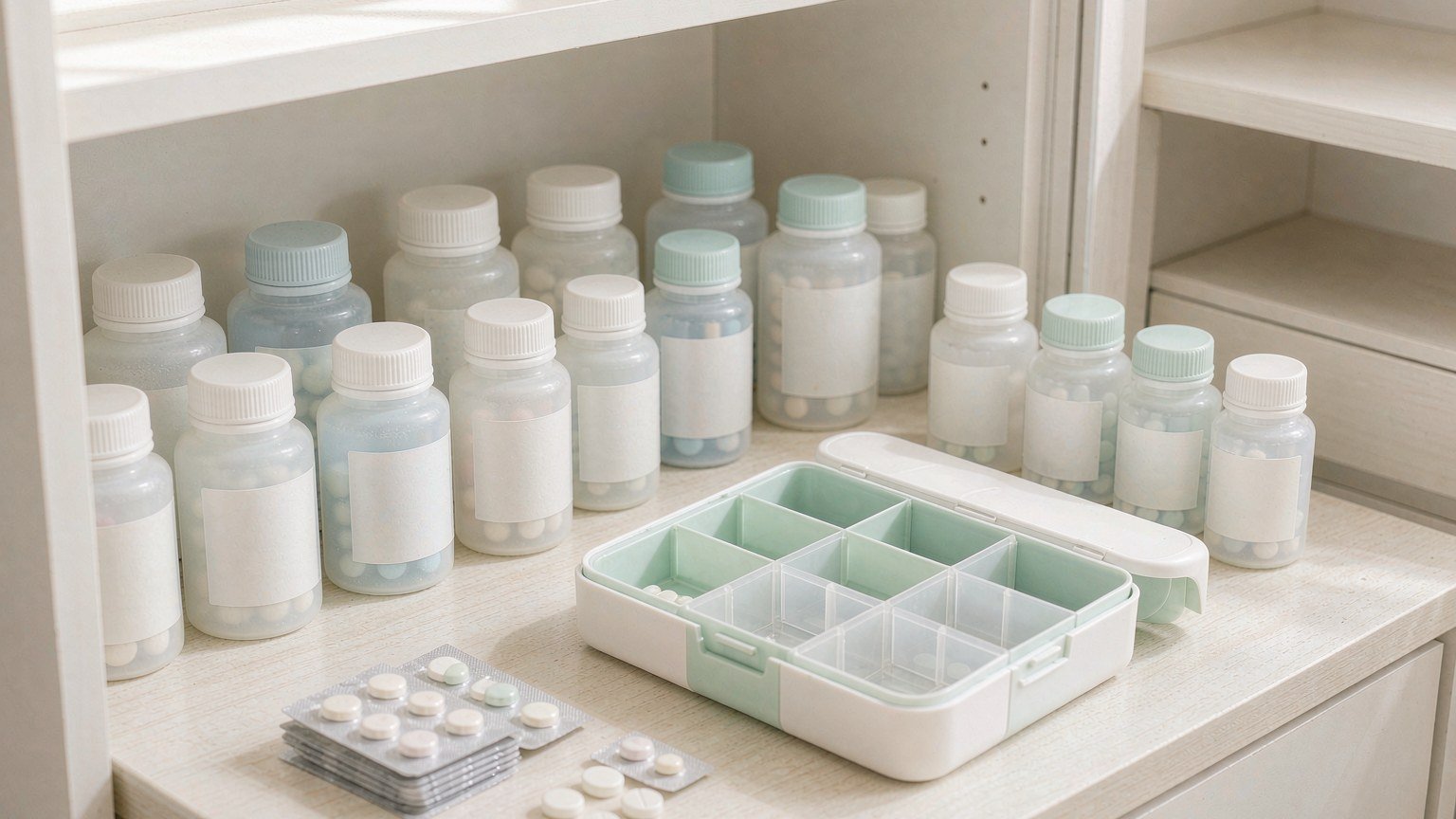
Most medicine cabinets hold more than we expect: half-finished bottles, samples from a prescription you finished months ago, vitamins that expired last winter. Once or twice a year it is worth pulling everything out and starting fresh. The easiest date to do it is the fourth Saturday of October, when the U.S. Drug Enforcement Administration runs its National Prescription Drug Take Back Day at thousands of police stations, pharmacies, and clinics.
Why a medicine cabinet clean-out matters
Old medicine is not harmless clutter. Three things happen when unused drugs sit in a cabinet:
- They lose strength. The FDA requires expiration dates because a product past that date may no longer work as intended, or may break down into something less safe. Using expired medicine is a risk not worth taking.
- They become a source of misuse. The DEA notes that most abused prescription drugs are not bought on the street — they come from family, friends, and home medicine cabinets. A forgotten bottle of opioids is the classic example.
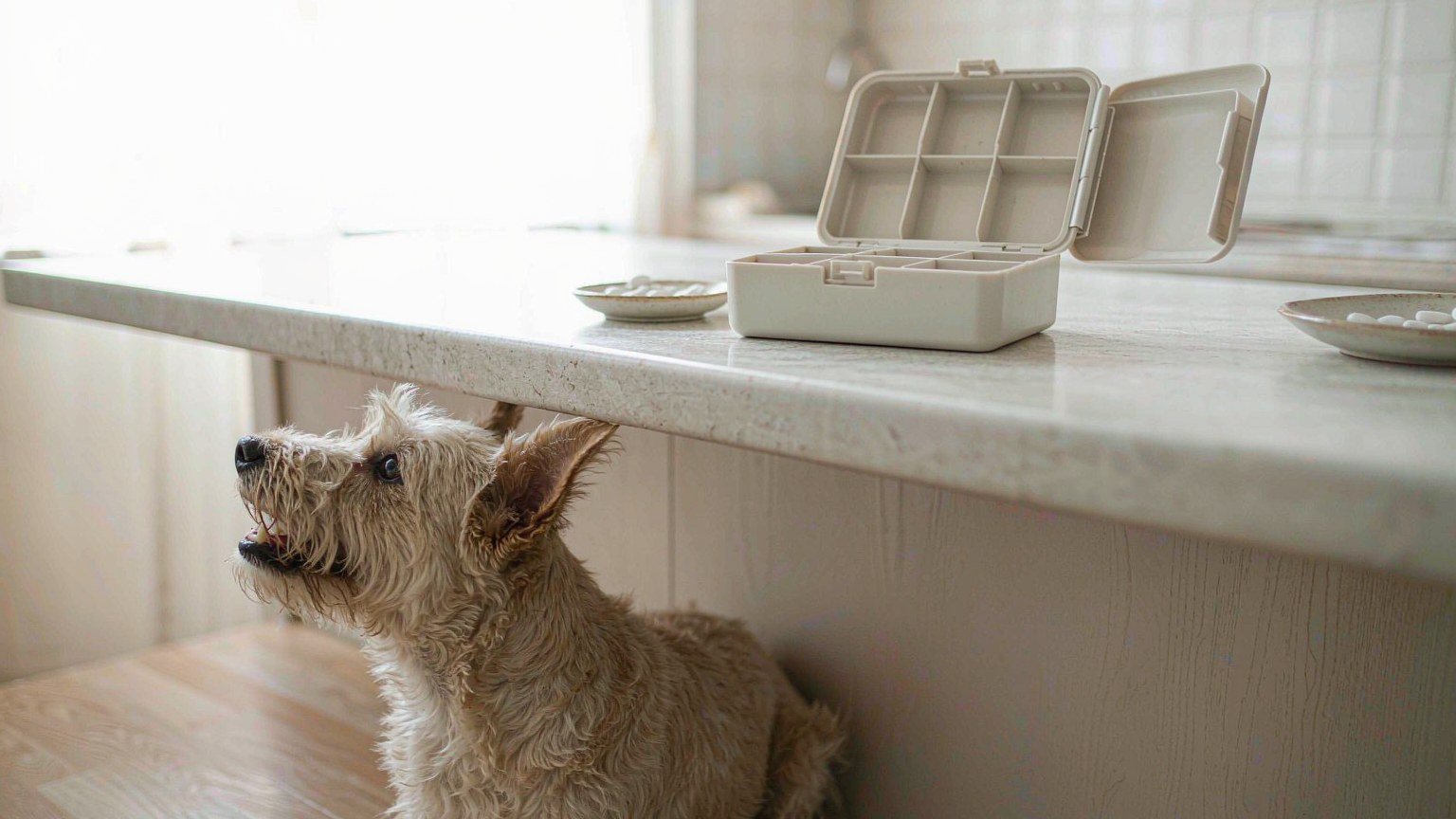
- They endanger children and pets. The CDC counted an estimated 36,564 emergency-department visits in 2020 among children aged five and under for unsupervised medication exposures. Pets chew open bottles too.
A clean-out removes all three problems in an afternoon. You do not need a reason beyond “it is time.”
What National Prescription Drug Take Back Day is
The DEA coordinates this event twice a year, in April and October. The fall 2026 date is Saturday, October 24, from 10 a.m. to 2 p.m. local time.
How it works:
- It is free and anonymous. No ID, no paperwork, no questions about why you are disposing.
- Sites sit at 4,200-plus law-enforcement and community locations nationwide.
- Since it began in 2010, Take Back Day has pulled more than 20.4 million pounds of medication out of circulation.
- Accepted items include prescription and over-the-counter tablets, capsules, and patches, plus pet medications and vape pens with the battery removed. Sites do not take syringes, sharps, or illicit drugs.
You can read the official event details on the DEA Take Back Day page.
How to find a drop-off site near you
Two ways:
- For October 24: Visit DEATakeBack.com and type in your ZIP code. The map shows every nearby collection site and its hours.
- Any other day: More than 16,500 pharmacies, hospitals, and businesses offer safe disposal year-round, and many police departments keep permanent drop boxes. If you miss the October date, a pre-paid mail-back envelope from a pharmacy works too.
The point is not the date — it is getting the drugs out of the house. Take Back Day just gives you a reason to block the time.
The disposal rules most people get wrong
If you cannot reach a take-back site, follow the FDA’s order of preference. Most mistakes happen at the first two steps.
Do not flush by default. Flushing sends medicine into the water supply. The FDA says to flush a drug only if it appears on the FDA Flush List — a short list of opioids and other drugs dangerous in a single dose if a child, pet, or anyone else takes them. Everything else stays out of the toilet.
Do not toss whole bottles. When no take-back option exists and the drug is not on the flush list, the FDA’s method is: mix the medicine with an unappealing substance such as dirt, cat litter, or used coffee grounds; do not crush tablets; seal the mix in a bag or container; scratch your name and prescription number off the label; then put it in the trash.
That last step matters. The label carries your health information, so scratch it off before the bottle leaves your hand.
What to keep, what to toss
As you empty the cabinet, sort each item with three checks:
- Expiration. Anything past its “EXP” date goes. No exceptions, even if it looks fine.
- Condition. Toss anything with a changed color, smell, or texture, or packaging that is cracked, damp, or swollen.
- Belonging. Throw out medicine no one in the house currently takes, or that was never prescribed to you.
Keep only what you take now and store it right. A damp bathroom cabinet can weaken medicine before its printed date — the FDA recommends a cool, dry spot instead. If humidity has been a problem where you live, our guide on how humidity ruins vitamins covers what a moisture-proof container actually needs to do.
After the clean-out: reset your weekly pill routine
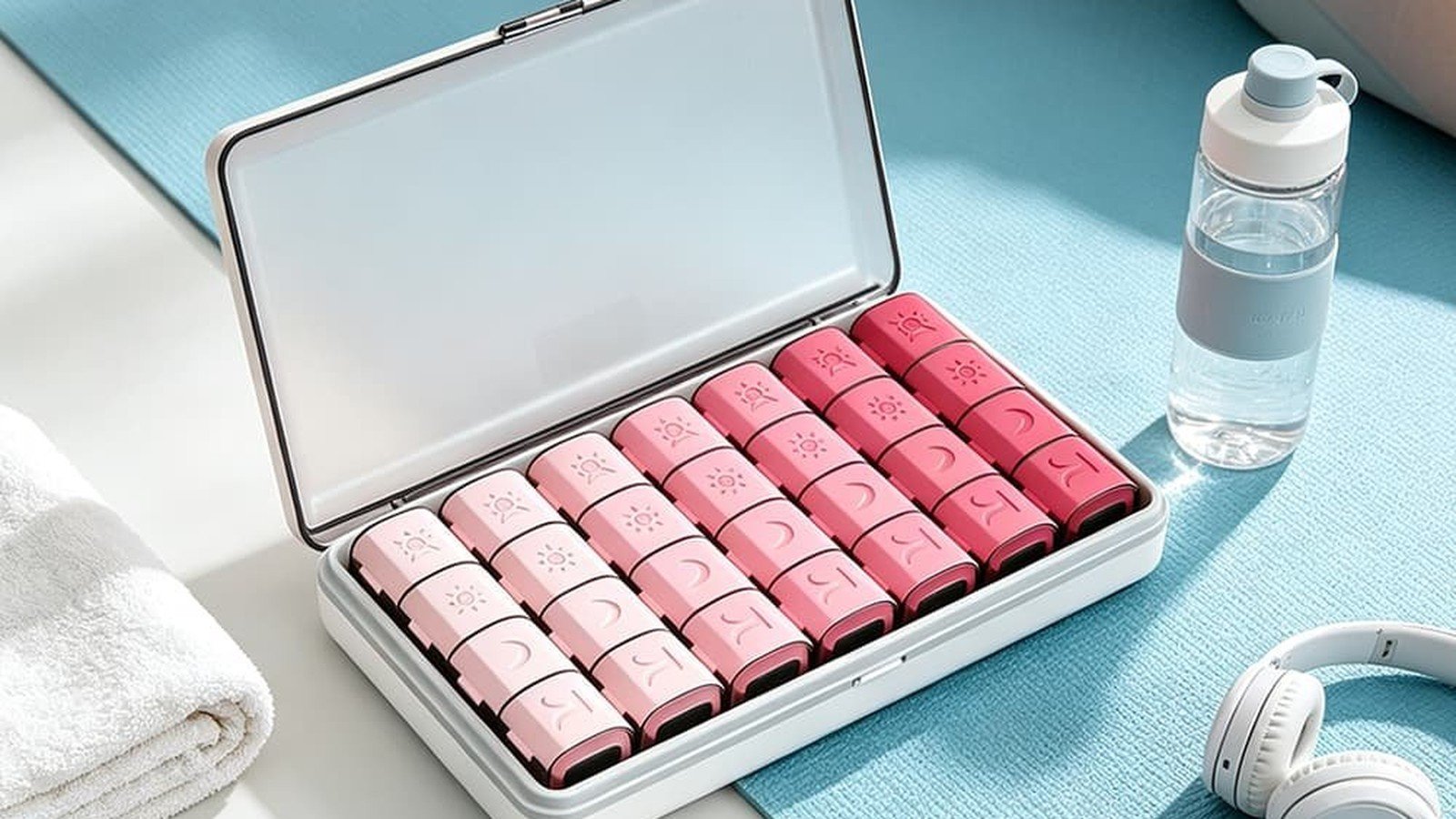
An empty cabinet is the perfect moment to rebuild the habit you actually want. Once the expired and unused bottles are gone, set up a fresh weekly system so the medicine you do take is visible and on schedule.
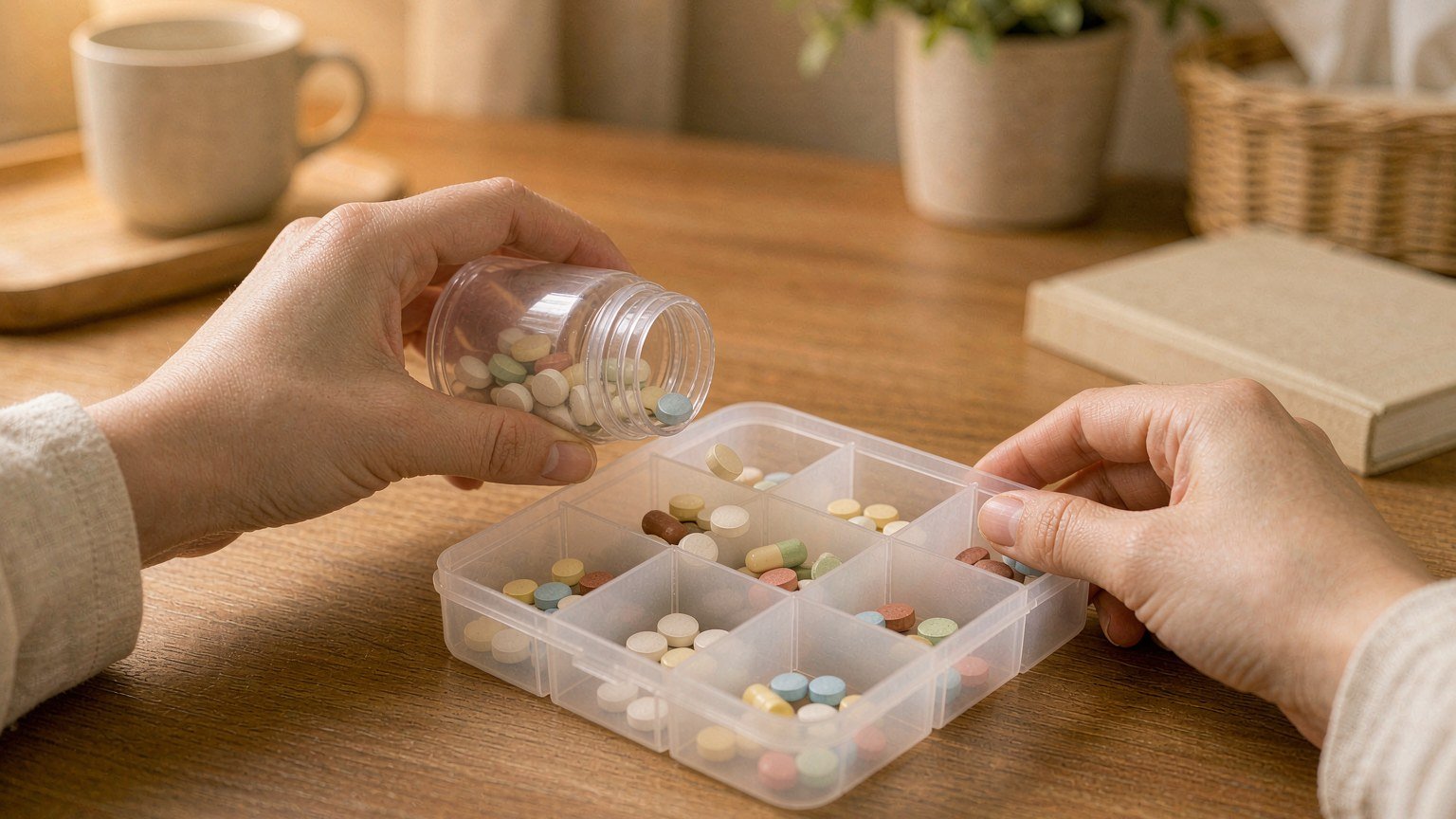
If you have not built one before, our walkthrough on setting up a weekly pill system takes you through it step by step. And when you fill a clean box, give the box itself a wash first — our pill-organizer cleaning guide shows the routine.
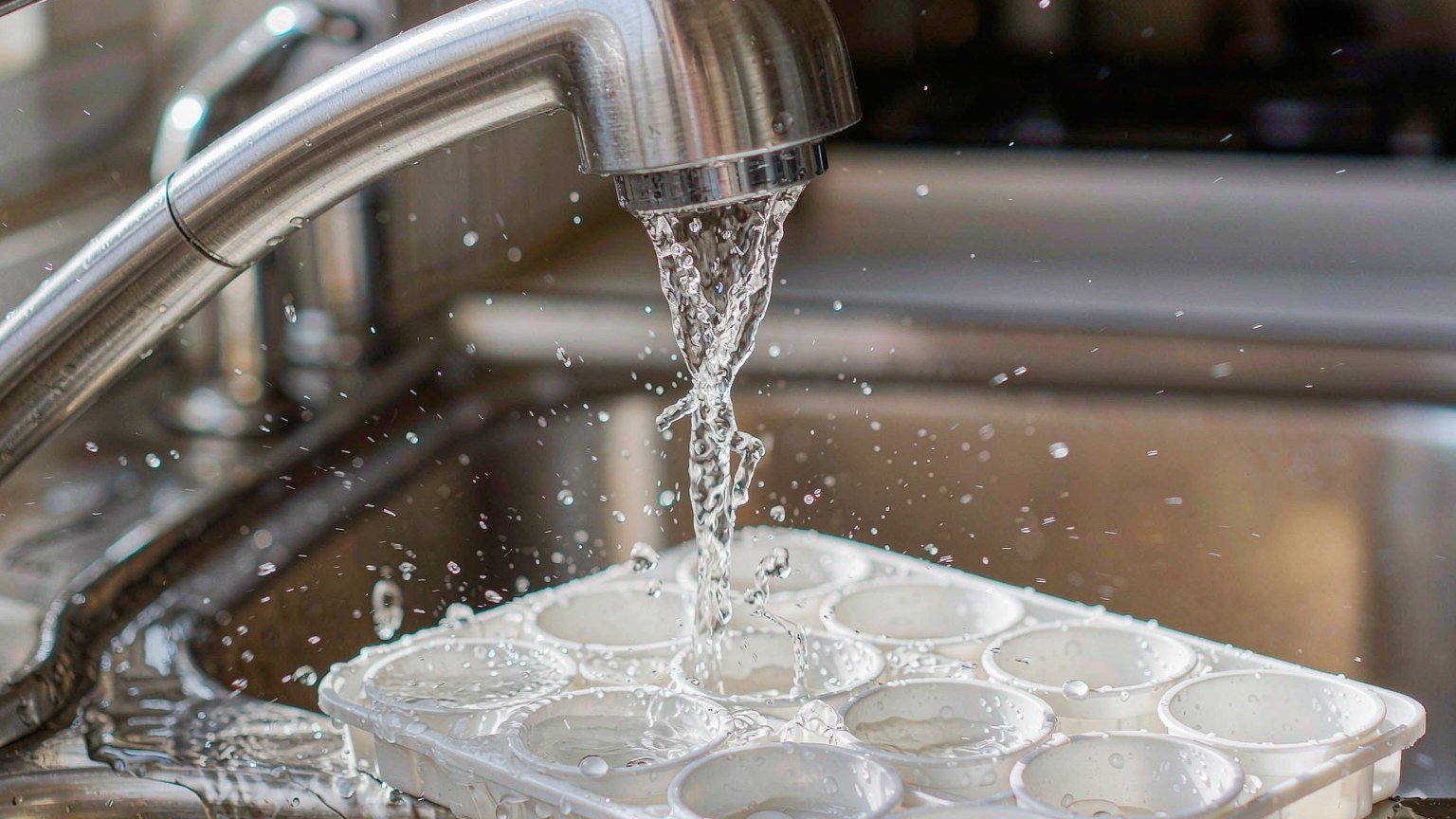
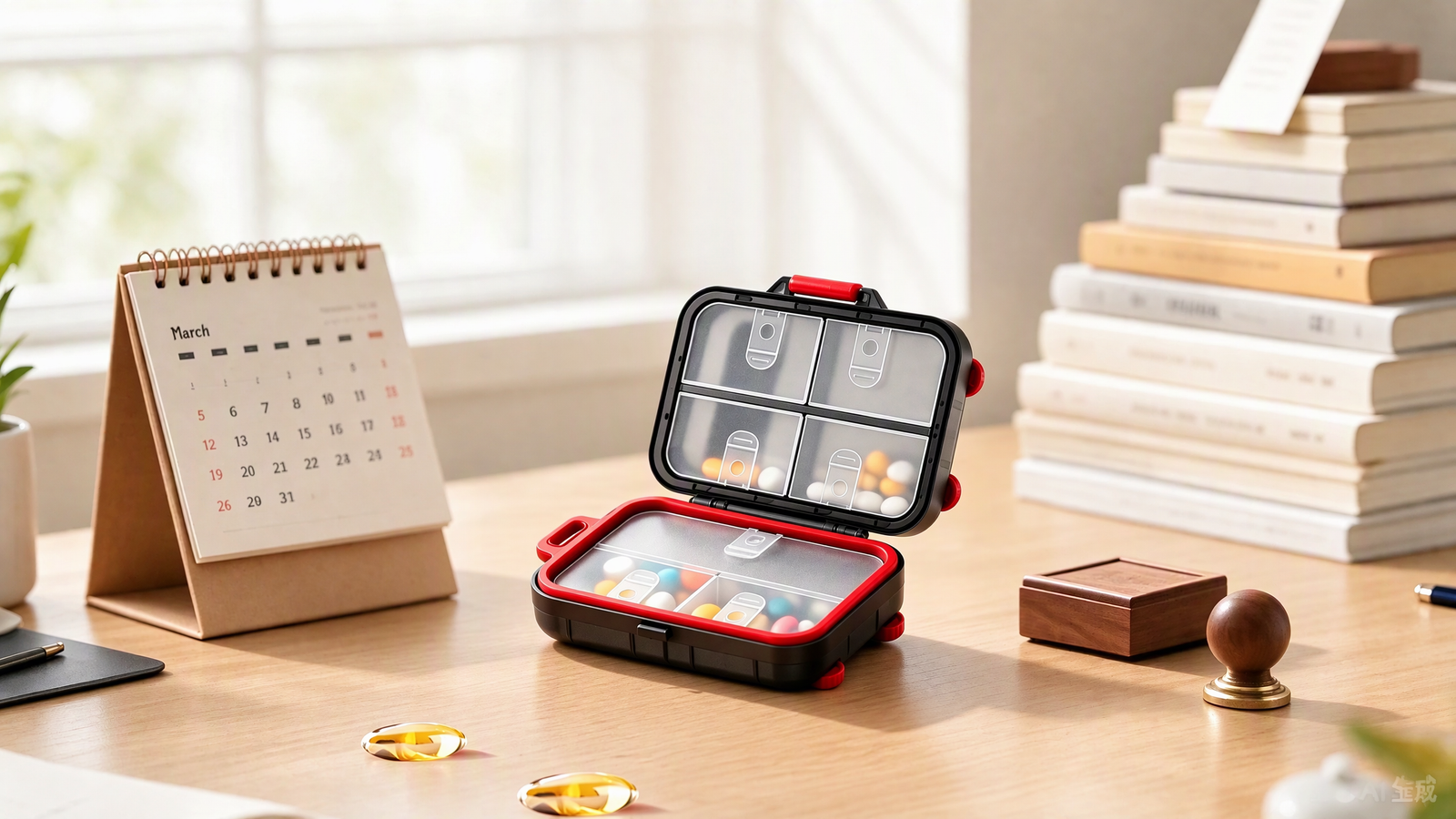
A clear cabinet and a clean organizer beat a full one every time. If you are shopping for a box that makes the weekly reset easy, browse our organizers — the aluminum slide-out and silent-lid designs are built for exactly this habit.
Sources
- DEA National Prescription Drug Take Back Day — official event page: dea.gov/takebackday
- Collection site finder: DEATakeBack.com
- FDA, Disposal of Unused Medicines: What You Should Know — fda.gov/drugs/safe-disposal-medicines
- FDA, Don’t Be Tempted to Use Expired Medicines — fda.gov/drugs/resourcesforyou/specialfeatures/ucm481139.htm
- AJMC, What You Should Know About National Prescription Drug Take Back Day — ajmc.com
This article is for general information only and is not medical advice. Follow the disposal instructions on your medicine label and check with a pharmacist if you are unsure. Always use official take-back or FDA guidance for controlled substances.